
Pepi City: Hospital Life
Pepi PlayEducational
4.34.57K Reviews
- Version
- 3.17.2
- Installs
- 100.00M
- Age Rating
- Everyone
Screenshots
Our Review of Pepi City: Hospital Life
 Analysis by Appyee
When I think of a hospital game for children, I usually expect either a set of simple medical tasks or a cheerful room full of things to tap. Pepi City: Hospital Life takes a looser approach: it gives players a pretend-play setting and leaves much of the storytelling to them. That makes it easier to return to for a short, imaginative session than a game built around completing a fixed sequence of challenges.
That open format is also the key question for families: does your child enjoy making up stories, or do they prefer clear goals and instructions? I find this a better fit for the first kind of player. It is an educational game from Pepi Play, but its appeal is less about lessons delivered step by step and more about exploring a hospital setting through make-believe.
A hospital setting built for small stories
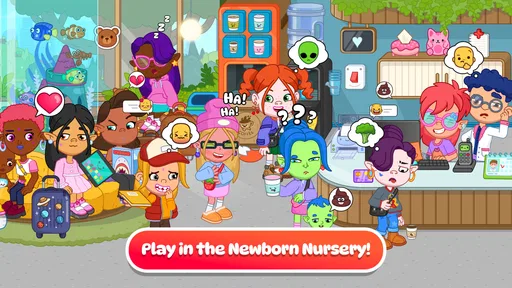
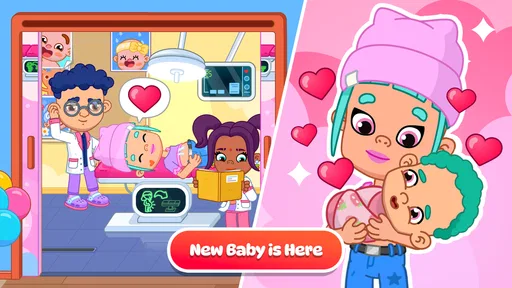
The game’s central idea gives children a familiar set of roles to play with: they can imagine being a doctor, a patient, or someone else in the hospital. That role-changing possibility is useful because it can turn one setting into several different stories. A child might start by pretending to examine a patient, then switch roles and decide what happens next from the other side of the visit.
For a parent, that makes it easier to join in without having to direct every move. Instead of asking a child to finish a task, I would ask what their character is doing or where they want the story to go. That small change keeps play child-led and makes the hospital theme a prompt for conversation rather than a lesson that needs to be explained.
When it works well in an everyday routine
I can see this fitting into a quiet stretch at home when a child wants something more engaging than watching a video but does not need a competitive game. A short pretend-play session can begin with a visit to the hospital and end whenever the child’s story feels finished. There is no need to treat each session as a campaign or to set aside a long block of time.
It can also be a gentle way to talk about hospitals before an ordinary appointment, as long as an adult keeps expectations realistic. The game can support imaginative conversation about roles and places, but it should not be treated as medical advice or as a substitute for explaining a real visit. I would let the child lead, answer questions simply, and avoid promising that every real hospital experience will resemble a playful one.
Good fit for imaginative players, less so for goal-seekers
Children who like inventing characters and changing the direction of a story are likely to get the most from this kind of play. It may also suit a family looking for a shared activity where an adult can take part without needing to master complicated controls or rules. The Everyone age rating makes it broadly approachable, though younger children may still benefit from an adult sitting nearby and helping them make sense of the theme.
If a child is happiest following clear instructions, earning rewards, or solving puzzles with definite answers, this may not hold their attention as well. A structured educational game would be a better choice for practicing specific skills, while a medical simulation aimed at older players would offer more technical depth. Pepi City sits between those options: its value is in pretend play, not in providing a detailed model of healthcare.
Welcome to the World of Pepi City
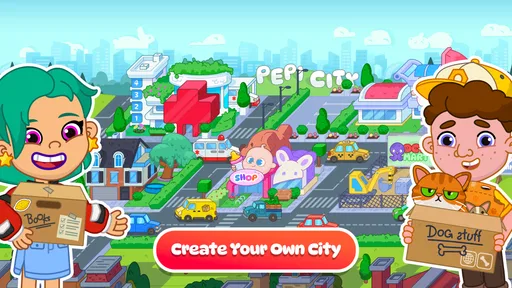
Pepi City: Hospital Life is part of the popular Pepi series, known for their rich, interactive environments designed for kids. But don’t let that fool you; adults can find it equally entertaining! As soon as you fire up the app, you’re greeted with a vibrant, colorful hospital setting that’s buzzing with activity. It’s like stepping into a cartoon, where everything is just waiting for you to explore.
Exploration and Interaction Galore
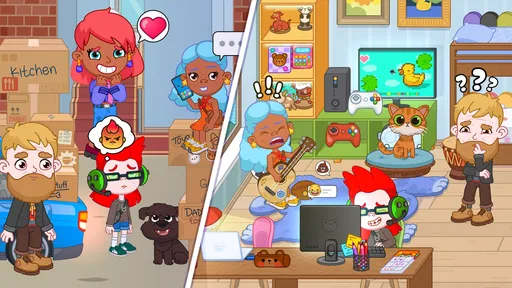
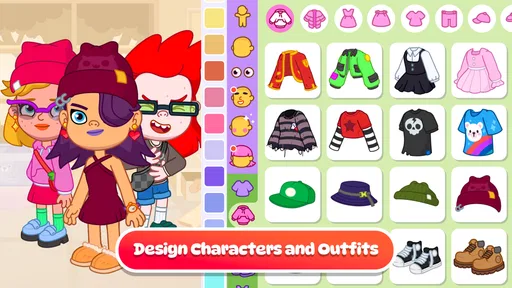
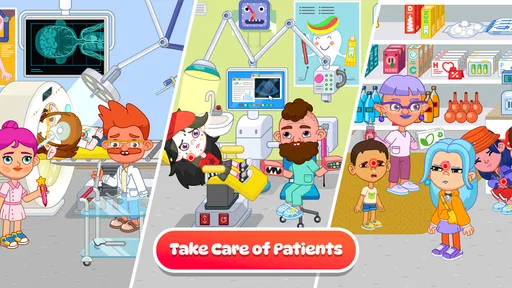
The game is all about exploration and interaction. You’ve got a variety of rooms and areas to check out, from the ER to the pharmacy. Each area is packed with interactive elements. You can play doctor, nurse, or even a patient. It’s kind of like playing with a digital dollhouse, except it’s a hospital, and it’s on your phone. You can move characters around, dress them up, and make them interact with their surroundings. Seriously, the level of detail is impressive!
For me, the most useful way to approach that kind of room-based play is to start with one simple story rather than trying to inspect everything at once. Pick a character, decide why they have come to the hospital, and let the next interaction shape what happens. This gives a child an easy starting point while leaving room for their own ideas. It also makes a return visit feel less like repeating the same tour and more like picking up a new story in a familiar place.
Another practical tip is to let children take turns choosing the roles. One person can set up the scene while another decides what the patient or staff member does next. That works especially well for siblings or an adult and child playing together, because it gives each person a clear way to participate without turning the game into a contest. If a child wants to play alone, the same freedom means they can switch roles whenever their story changes.
Educational and Fun
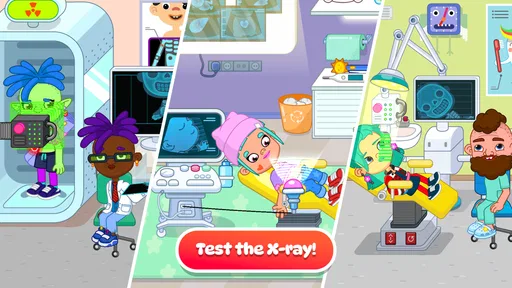
One of the things I love about Pepi City: Hospital Life is how it manages to be both educational and fun. It’s not just about playing doctor; it’s about learning how a hospital works. Kids can learn about various medical tools, what they’re used for, and how different departments in a hospital function. It’s a great way to spark curiosity about the medical field in young minds.
I would describe the educational side as informal rather than a course. The hospital theme can prompt a child to ask what a room or role is for, and an adult can use those questions to explain things in age-appropriate language. That is a genuine strength for curious children, but it also sets a limit: families looking for a curriculum, progress tracking, or a sequence of lessons should choose a more explicitly instructional app.
Graphics and Sound
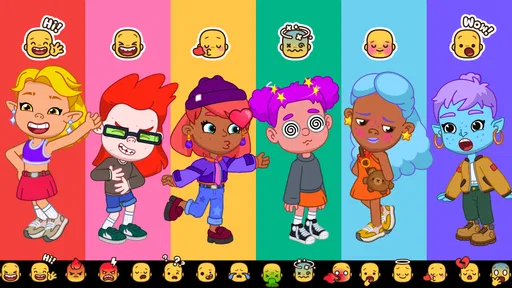
The graphics are bright and cheery, which is perfect for keeping the mood light and engaging. The characters are cute and expressive, adding a lot of personality to the game. As for the sound, it’s filled with lively tunes and fun sound effects that complement the game’s playful nature. It’s all designed to make you feel like you’re part of a bustling, happy hospital.
The contrast between a medical setting and a cartoon-like presentation matters. It keeps the play approachable, especially for children who might find realistic medical imagery unsettling, while still giving them a recognisable place to build stories around. The trade-off is that this gentle tone should not be mistaken for realism. I would use the game to encourage imaginative play, not to prepare a child for every detail of an actual appointment or procedure.
Sound can shape how long a child wants to stay with a game, so I would pay attention to the setting in which they play. A lively audio backdrop may help make solo play feel more animated, but a quieter room or a shared space may call for lowering the device volume. The game’s cheerful mood is part of its identity; it is not trying to create the suspense or urgency that a more action-focused game might use to hold attention.
User Experience and Accessibility
In terms of usability, Pepi City: Hospital Life is incredibly user-friendly. The interface is intuitive, which means even the youngest players can navigate the game with ease. The app is available on both Android and iOS, so no matter what device you’re using, you can dive into this delightful world. The developers did a great job ensuring that it’s accessible to a broad audience.
It is free to play, with in-app purchases priced from $1.49 to $4.49 per item. I would keep that in mind if a child uses the device independently: check the purchase settings on the device and agree on expectations beforehand. That is a useful precaution for any family game with optional purchases, especially when a child is comfortable tapping around without adult help.
The game has a 4.3 average from around 245,000 ratings, and it has been installed over 100 million times. Those figures suggest that it has found a large audience, but they do not tell me whether it suits a particular child. A child who enjoys quiet, self-directed storytelling may be delighted; one who wants a clear objective every few minutes may move on quickly. The best test is whether they start inventing their own hospital scenarios rather than waiting for the game to tell them what to do.
It is listed for Everyone, and the current version is 3.12.1, with Android 6.0 as the minimum operating-system requirement. The game was released on February 13, 2018, so it has had time to establish itself as a familiar option in children’s play. I would still check that a device meets the requirement before installing it, and keep the app updated through the relevant platform when updates are available.
Replayability and Creativity
What keeps you coming back to this app is the endless possibilities for creativity. There’s no right or wrong way to play the game, and that’s what makes it so appealing. You can create your own stories, scenarios, and adventures. This open-ended play style means the game has a high replay value, as you’ll discover new things each time you play.
There is a small trade-off in that freedom: children may need a little help getting started if they are used to games that point them toward a task. I would offer one prompt, such as deciding who needs help or what happens after a character arrives, then step back. Giving too many instructions can take over the storytelling, while a simple question can help a hesitant player find their own direction.
Compared with common educational games that quiz children or reward correct answers, this one gives more space to make-believe and less formal feedback. Compared with open-ended digital playhouses, its hospital theme supplies a stronger setting for role-play. Neither approach is automatically better; the right choice depends on whether a child wants a themed scene to invent within or a defined learning goal to work toward.
One other point for parents is that open-ended play can be repeated without feeling like practice, but it does not guarantee that a child will discover every interaction or keep playing for a long time. If interest fades, I would not push them to explore every room. A short session that sparks a conversation or a new story can be enough, and returning later with a different role may work better than insisting on a complete tour.
In conclusion, Pepi City: Hospital Life is a delightful app that’s worth checking out. Whether you’re looking for a fun way to entertain your kids or just want to indulge in some light-hearted play yourself, this game has something to offer. It’s a perfect blend of fun, education, and creativity. So why not give it a try and see what adventures await in Pepi City’s bustling hospital?
My recommendation is strongest for families who want a colourful, low-pressure setting for pretend play and are happy to let a child direct the action. I would choose something else for a child who needs structured lessons, realistic medical detail, or goals that steadily increase in difficulty. For everyone else, its appeal is straightforward: it turns a hospital into a place for stories, and gives children room to make those stories their own.
Privacy and Permissions
See what permissions an app requests and how it handles your data.
- Other
- view network connections, full network access, prevent device from sleeping, Google Play license check
Verdict
Strengths of Pepi City: Hospital Life
- Engaging and kid-friendly graphics.
- Interactive elements enhance learning.
- Wide variety of character roles.
- Encourages creativity and role-play.
- No in-app ads for distraction-free play.
Limitations of Pepi City: Hospital Life
- Limited free content; in-app purchases needed.
- May not appeal to older children.
- Requires internet for updates.
- Can be repetitive over time.
- Lacks multiplayer interaction.
Other Releases by Pepi Play
View All
Pepi House: Happy Family
Educational4.2
Similar Picks in This Category
View All
Little Panda Policeman
BabyBus4.0

Monster Trucks Game for Kids 2
Raz Games4.1

Little Panda's Chinese Recipes
BabyBus4.4

Little Panda's Restaurant
BabyBus4.4

Little Panda's Ice Cream Games
BabyBus4.3

Baby Panda Care
BabyBus3.8
You May Also Like
View All
Frequently Asked Questions
What is Pepi City: Hospital Life about?
Pepi City: Hospital Life is a virtual simulation game where players can explore and manage a bustling hospital environment. The game is designed to be educational and entertaining, allowing users to interact with various medical scenarios. Players can learn about hospital operations, patient care, and the roles of different healthcare professionals.
Is Pepi City: Hospital Life suitable for children?
Yes, Pepi City: Hospital Life is designed with children in mind, offering a safe and educational environment. The game encourages creativity and learning about healthcare through interactive play. It is suitable for kids to explore different medical roles and understand basic hospital procedures in a fun and engaging way.
What platforms is Pepi City: Hospital Life available on?
Pepi City: Hospital Life is available for both Android and iOS devices. You can download the app from the Google Play Store for Android devices and the Apple App Store for iOS devices. Make sure your device meets the app’s requirements for the best gaming experience.
Are there any in-app purchases in Pepi City: Hospital Life?
Yes, Pepi City: Hospital Life offers in-app purchases. While the game is free to download, some features and content may require payment to unlock. These purchases can enhance the gameplay experience, offering additional characters, scenarios, and hospital tools. Always check the app settings to manage in-app purchases, especially for children.
How educational is Pepi City: Hospital Life?
Pepi City: Hospital Life is highly educational, providing a unique mix of fun and learning. It introduces children to hospital environments, medical tools, and healthcare roles through interactive gameplay. The game encourages curiosity and problem-solving skills, making it a valuable educational tool for young players interested in healthcare.
Play our best games!


